
With POTS, you might already need breaks or find everyday activities like walking, cooking, and showering difficult. A sudden increase in symptoms can leave you feeling anxious or unsure what’s happening.
A POTS flare is a stretch of time when your symptoms become noticeably worse than usual. Flares can happen for a variety of reasons, leaving you wondering what might help, how long they’ll last, and how you’ll get through the day.
By the end of this guide, you’ll understand what flares are, how long they last, and have practical tips to make your flare days more manageable.
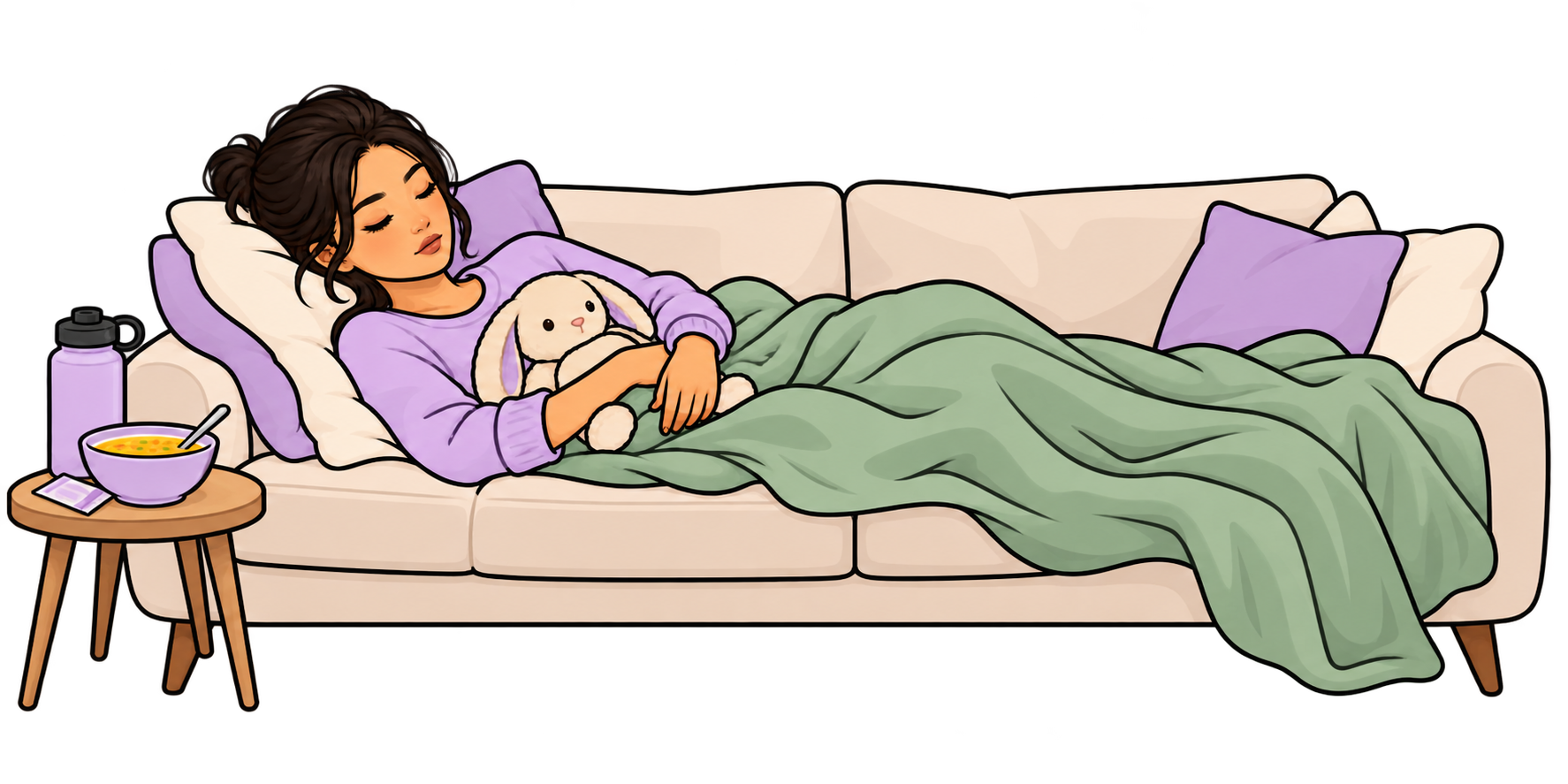
How can you tell if you’re having a POTS flare?
If you often experience POTS symptoms, it can be difficult to tell whether you’re having a flare. Figuring out flares is all about knowing your body’s baseline. Your baseline is your usual pattern of symptoms and the level of activity you can manage. Everyone’s baseline looks different. Some people might be able to stand in the kitchen for 10 minutes, while others might only manage sitting up for a few minutes.
During a flare, your symptoms are noticeably worse than your baseline. Key changes to look for include:
- Stronger symptoms: Familiar symptoms, such as dizziness, palpitations, fatigue, nausea, or brain fog, become more intense. If you develop new symptoms, check with your healthcare team.
- More frequent or persistent symptoms: Symptoms happen more often or leave you with fewer comfortable periods.
- Less capacity for everyday activities: You need more breaks or help with things you usually manage. For example, you might normally stand comfortably for 10 minutes but now need to rest after only 2 or 3 minutes.
Note what you can usually manage, what feels harder now, and what helps. A few specific examples can make changes easier to recognize and explain to your healthcare team.
What can trigger a flare, and how long can it last?
A flare can follow a single trigger or a combination of factors. Heat, prolonged standing, insufficient fluids, strenuous activity, illness, poor sleep, stress, and menstrual changes can worsen POTS symptoms and lead to flares.
A flare can last hours, days, or weeks. Symptoms brought on by standing or heat may ease when you lie down or cool off. After an illness, returning to your usual baseline can take several weeks.
Feeling better during a longer flare doesn’t always mean you’re back to your usual baseline. For example, you might sleep more comfortably after a few days but still need extra rest for a week or two. Recovery can be gradual, with small improvements building over time.
How to make flare days easier to manage
Having a plan for managing flares can make them feel less overwhelming. Figuring out how to get through the day can be challenging, especially when you’re eager to return to your usual activities. Below are practical tips to help you get through a flare.
Give yourself permission to rest and feel unwell
It can be difficult to give yourself the mental space to rest, especially if you often experience POTS symptoms or had just started to feel better. The emotional side of a flare can be difficult too. If you’d been feeling better for a month or two, having a flare can feel like a step back in your recovery.
It can help to remember that symptoms can improve again, even if you don’t know exactly when. Give yourself time to rest and adjust your routine. When your body feels ready, start slowly reincorporating more difficult activities. Giving yourself permission to do less can ease some of the pressure to keep going and even aid in recovery.
The emotional side of a flare matters just as much as the physical symptoms. Symptoms will improve again, even if you don’t know exactly when. Give yourself space to rest and do less while you’re feeling unwell.
Keep the things that help within reach
Getting a drink or finding your medicines can feel like a Herculean task when you’re already unwell. Keeping your usual supplies nearby makes it easier to follow your management plan without repeated trips around your home. Depending on your plan, that might include water, your usual electrolyte drinks, an easy snack, compression garments, and any prescribed medicines you need during that time. For example, if your daily fluid target is 64 ounces, using a 32-ounce or 64-ounce water bottle instead of an 8-ounce glass can reduce trips to the kitchen.
The same preparation can help when you need to leave home. If electrolyte drink mixes or salt tablets are part of your usual management plan, keep a few in your bag for times when you need to go out during a flare. That way, you don’t have to remember to pack them. They’re already there when you need them.
Decide what needs to happen today and what can wait
When a flare makes daily tasks harder, focus on what needs to happen today rather than finishing everything you’d planned. Deciding what needs to happen and what can wait gives you more time to rest. Start by separating essentials, such as eating, drinking, taking prescribed medicines, and necessary care responsibilities, from tasks that can be shortened, shared, or postponed.
For example, leave a load of laundry for another day and focus on preparing food.
If someone can help, give them a specific task: reheating dinner, picking up groceries, or washing the dishes. This makes it easier for them to understand what you need and take something off your list.
Give yourself permission to do less during a flare. Focus on what needs to happen today, let other tasks wait, and leave more time for rest.
Give yourself extra time to rest
Increased symptoms can make even resting more difficult. Rest doesn’t always leave you feeling refreshed, especially when symptoms keep you awake or make it hard to get comfortable.
If you need a daytime nap or a longer rest after a poor night, leave room for it when making your plans.
Try making rest more comfortable by changing your position, hugging your favorite pillow or plush toy, or listening to something relaxing. Headspace’s sleepcasts are a great option to help you relax if you like falling asleep while listening to something. I personally have used them many times to calm myself down when my symptoms are at their worst. They even have a number of them free on YouTube.
Should you exercise during a POTS flare?
It can be confusing to hear that exercise may help POTS over time while finding that it makes you feel worse during a flare. The amount of activity you can tolerate often changes when symptoms are worse, so your usual workout will need adjusting.
That means reducing or even pausing your workouts until you feel better. Pushing yourself to maintain your usual routine could make you feel worse. If you’re unsure how much activity is appropriate, ask your clinician or physiotherapist.
Pay attention to how you feel both during and after exercise, since some people experience delayed crashes. If that happens to you, your care team can help you work out how to balance activity and rest.
How to prepare for flares
Preparing for a flare doesn’t have to take much work. The best time to prepare is when you’re feeling well enough, so there’s less to think about when your symptoms are worse. Keeping a few small meals in the freezer that you can quickly reheat can save cooking and cleaning time. You can also use this time to restock any electrolyte drink mixes or salt tablets you normally keep in your bag, so they’re ready when you need to go out.